
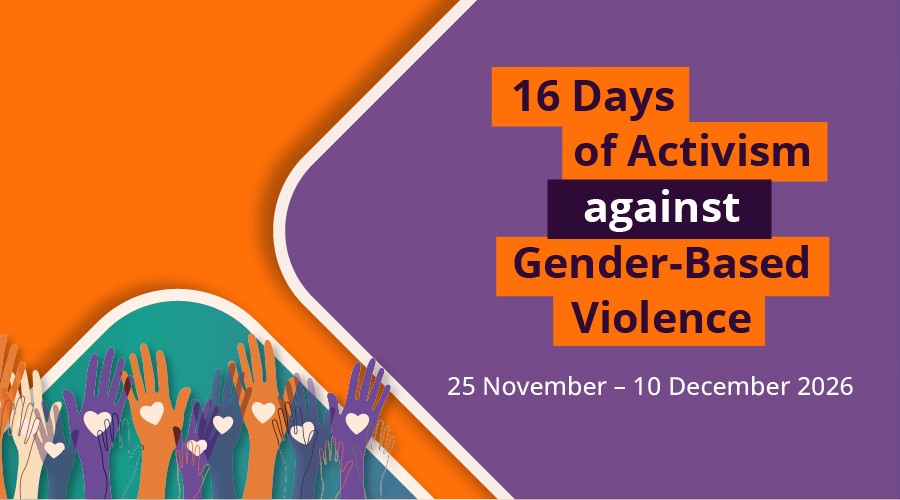
Today is the International Day for the Elimination of Violence against Women. It also marks the start of the United Nations’ 16 Days of Activism against Gender-Based Violence(Opens in a new tab/window).
This year’s theme is UNiTE to End Violence Against Women and Girls: Ensure justice, protect survivors, end impunity.
It highlights the importance of preventing violence, supporting victim-survivors and holding those who use violence accountable.
It calls for justice that works for all women and girls.
The campaign recognises that online and offline violence are becoming more closely linked. Technology can make it easier for people to carry out abuse, extend its reach and cause greater harm. We need to prevent abuse, help and protect people, and hold those who use abuse accountable. This applies both online and offline.
How to tell it’s online abuse
Online abuse is behaviour that threatens, intimidates, harasses or humiliates. Its impact can go beyond the screen, affecting a person’s safety and wellbeing. Online abuse can include:
- harassment and threats
- cyberstalking
- image-based abuse such as deepfakes
- false information targeting people because of their gender
- any other abuse that uses technology.
Victim-survivors need ways to report abuse, get support and remove harmful content where possible. They also need practical help and protection, both online and offline.
Safety, support and justice
For many victim-survivors, justice is more than a court judgment or criminal conviction. It can include being safe, being believed, having access to support, having financial security, and being treated with dignity as they rebuild their lives.
Justice must also be accessible to women and girls in all their diversity. This includes First Nations women, women with disability, women and girls from refugee and migrant backgrounds, and LGBTIQA+SB communities. This means working to remove financial, legal, social and institutional barriers that can stop people from seeking help. It also means removing practical barriers by making sure housing, language support, and disability access are all available.
What we’re doing
We’re taking action under the National Plan to End Violence against Women and Children 2022–2032 (the National Plan). The National Plan guides Australia’s work towards ending gender-based violence in one generation.
We are:
- strengthening early intervention, safety checks and coordination across systems
- improving financial security, childcare access, affordable housing and health and legal services to help families build stability and safety
- holding people using violence to account, providing support to prevent them from reoffending
- improving protection for victim-survivors
- partnering with other organisations to research what works to prevent family, domestic and sexual violence
- teaching consent and respectful relationships in schools to help change harmful attitudes.
How you can get involved
Everyone has a role to play in ending violence against women and children. You can:
- learn about and share campaigns working to end gender-based violence, including UN Women
- start conversations that challenge victim-blaming and promote accountability
- learn what makes a respectful relationship, and find advice for people aged 14 years and older at The Line(Opens in a new tab/window)
- register for eSafety’s webinars about online abuse(Opens in a new tab/window)
- to learn more about the harmful impacts of gender-based violence, how to recognise the signs and refer someone for help, attend DV-alert public awareness workshops(Opens in a new tab/window)
- support the frontline services and workers helping victim-survivors, women’s rights organisations and specialist survivor services
- listen without judgement and support family and friends who may be affected. Find support through Help and support for ending violence
- wear or use the colour orange during 16 Days, symbolising hope and a future free from violence
- visit a landmark lighting up orange as a sign of solidarity with victim-survivors.
Lighting up local landmarks
During the 16 Days campaign, landmarks across Australia will light up orange in solidarity with victim-survivors. The United Nations uses orange to symbolise hope for a future free from violence against women and children.
More information
- If you or someone you know is experiencing, or at risk of experiencing, domestic, family or sexual violence, support is available. Find help and support for ending violence
- To find out about domestic and family violence that uses technology, and how to stay safe online, visit the eSafety Commissioner’s page on tech-based domestic and family violence(Opens in a new tab/window)
- To learn more about what we’ve achieved so far under the National Plan, and what’s next, read the Building a safer future for families, women and children factsheet.
Related news
New advisory council for domestic, family and sexual violence
The new council will provide independent advice to government on how to drive down violence and strengthen responses.
Have your say in the National Family and Domestic Violence and Sexual Violence Workforce Survey
Take part in the survey between 2 February and 28 February 2026.
International Day for the Elimination of Violence Against Women 2025
This day marks the start of the UN’s 16 Days of Activism for the Elimination of Violence Against Women 2025.
Was this page helpful?
DSS5361 | Permalink: www.dss.gov.au/node/5361